Building a wedding venue from the ground up is a major undertaking that blends creativity, planning, and long-term thinking. Unlike repurposing an existing space, starting from scratch gives owners full control over layout, flow, and guest experience, but it also introduces a wider range of decisions that must be made early and carefully. From land selection to infrastructure planning, every choice has ripple effects that influence functionality, appeal, and profitability for years to come. A thoughtful approach at the beginning can reduce costly revisions later and create a venue that feels intentional rather than pieced together.
At its core, a successful venue balances vision with practicality. Couples may be drawn in by aesthetics, but behind the scenes, logistics determine how smoothly events run. Parking access, utilities, weather considerations, and guest comfort all matter just as much as architectural charm. Owners must think like both hosts and operators, anticipating how dozens or even hundreds of guests will move through the space during peak moments of an event. These operational realities shape everything from building placement to material selection.
Choosing the Right Location and Property
Selecting the right property is one of the most influential decisions when creating a wedding venue. The location determines not only visual appeal but also accessibility, noise considerations, and long-term usability. Rural properties may offer scenic backdrops and privacy, while suburban or semi-urban locations can provide convenience for guests and vendors. Factors such as terrain, drainage, and existing land features should be evaluated carefully, as they affect construction feasibility and ongoing maintenance. A beautiful setting loses its charm quickly if guests struggle to reach it or move comfortably throughout the grounds.
From a practical standpoint, the property must support the operational demands of hosting events. Adequate space for parking, service access, and outdoor gatherings is critical. Visibility from nearby roads, proximity to accommodations, and compatibility with surrounding land uses all play a role in long-term success. When building a wedding venue, the goal is to find land that aligns with both the emotional expectations of couples and the logistical needs of large gatherings. This balance helps create an environment that feels special without creating unnecessary complications.
More specifically, early collaboration with professionals during site evaluation can prevent costly surprises. Soil quality, elevation changes, and utility access influence where structures can be placed and how they are built. Working with architect design professionals during this phase helps translate raw land into a functional plan that maximizes views, flow, and structural efficiency. Their input can identify optimal building orientation, entrance placement, and outdoor ceremony locations while accounting for environmental constraints.
Understanding Local Zoning and Permits
Before construction begins, it is essential to understand how local regulations affect venue development. Zoning laws dictate what types of activities are allowed on a property, how buildings can be used, and how frequently events can be hosted. Some areas place limits on noise levels, operating hours, or event capacity, all of which directly impact how a venue functions. Overlooking these rules can lead to delays, fines, or restrictions that limit growth. Clear knowledge of local requirements allows owners to plan realistically from the start.
Permitting is equally important and often more complex than expected. Building permits, environmental reviews, fire safety approvals, and occupancy certifications may all be required at different stages. These processes take time and often involve multiple agencies, making early planning essential. Understanding timelines and documentation needs helps prevent construction pauses that can disrupt budgets and schedules. A well-organized permitting approach supports smoother progress and reduces stress as the project moves forward.
On a more detailed level, zoning compliance often affects design and infrastructure choices. Parking ratios, restroom requirements, and accessibility standards are frequently tied to anticipated guest counts. Coordination with a local planner or consultant can clarify how regulations apply specifically to a wedding venue rather than a generic commercial space. In some cases, variances or conditional use permits may be needed, requiring public hearings or additional approvals. .
Designing a Venue With Guest Experience in Mind
Design plays a major role in shaping how guests feel throughout an event, often without them consciously realizing why a space feels comfortable or memorable. A successful venue guides guests naturally from one area to another, reducing confusion and congestion during high-traffic moments like arrivals, transitions, and send-offs. Thoughtful layouts prioritize visibility, smooth circulation, and balanced spacing so guests can focus on celebrating rather than navigating obstacles. When the design accounts for crowd flow and comfort, events feel effortless and well-organized.
Guest experience also depends on how the venue adapts to different moments throughout the day. Ceremonies, cocktail hours, and receptions each require distinct atmospheres, and the space should support those shifts seamlessly. Lighting, acoustics, and temperature control all influence how guests perceive the environment over time. Indoor and outdoor spaces should work together cohesively, allowing events to continue comfortably regardless of weather changes. Designing with flexibility in mind helps the venue remain appealing for a wide range of event styles and seasons.
On a more detailed level, interior features contribute significantly to comfort and ambiance. Strategic use of window treatments allows for better control of natural light, helping prevent glare during daytime ceremonies while creating a warmer mood in the evening. They also support privacy and temperature regulation, especially in large spaces with extensive windows.
Planning Infrastructure and Utilities Early
Infrastructure may not be visible to guests, but it directly affects how smoothly an event unfolds. Power supply, water access, climate systems, and waste management must support large gatherings and multiple vendors working simultaneously. Planning these systems early allows them to be integrated into the venue’s layout rather than retrofitted later at higher cost. When infrastructure is sized appropriately from the start, it reduces the risk of service interruptions during events.
Efficient infrastructure also supports behind-the-scenes operations that guests never see but always feel. Catering teams need reliable water and power, entertainers require dependable electrical access, and staff rely on efficient layouts to keep events running on schedule. Restroom placement, bar locations, and service areas should minimize bottlenecks while maintaining a polished appearance. Thoughtful planning makes it easier for vendors to do their jobs well, which directly enhances the guest experience.
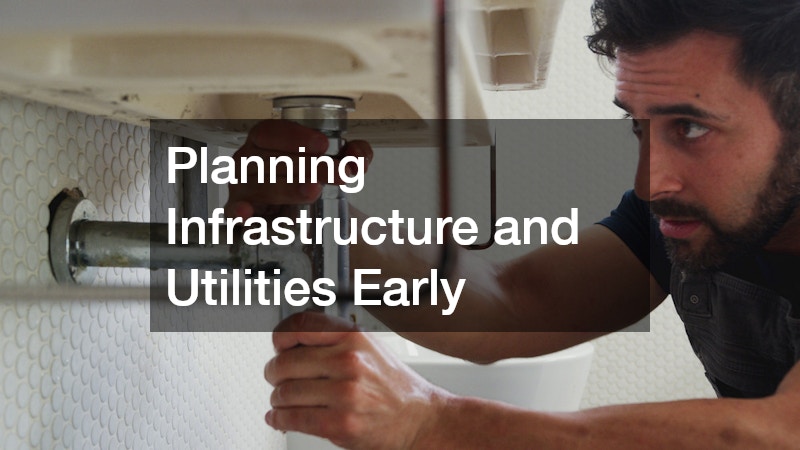
From a technical standpoint, plumbing is one of the most critical systems to address early. Consulting a local plumber helps confirm that water pressure, drainage, and restroom capacity can handle peak guest counts without strain. Early planning also allows for future expansion if the venue grows or adds amenities.
Budgeting for Construction and Startup Costs
Creating a realistic budget is one of the most important steps when building a wedding venue from the ground up. Construction expenses, materials, labor, and site preparation can vary widely depending on location and design choices. A detailed budget helps prioritize essential features while avoiding overinvestment in areas that may not deliver long-term value. Clear financial planning also makes it easier to manage timelines and expectations throughout the build.
Startup costs extend beyond construction alone. Furniture, lighting, sound systems, landscaping, and permitting fees all contribute to the initial investment. Setting aside contingency funds is critical, as unexpected costs often arise during construction. Planning for these expenses early reduces financial pressure and allows decisions to be made strategically rather than reactively. A well-structured budget supports smoother progress and fewer compromises later.
Roofing is another major cost factor that deserves careful consideration. Working with a roofer early in the planning process helps determine materials that balance durability, aesthetics, and long-term maintenance needs. The roof must withstand local weather conditions while complementing the overall design of the venue.
Incorporating Flexible Event Spaces
Flexibility is one of the most valuable qualities a wedding venue can offer. Couples want spaces that can adapt to different guest counts, layouts, and styles without feeling constrained. Open floor plans, movable partitions, and multipurpose rooms allow a venue to host intimate gatherings just as easily as large celebrations. This adaptability makes the venue appealing to a wider range of clients and helps it stay relevant as trends shift over time. When spaces can be reconfigured efficiently, the venue becomes easier to market and easier to operate.
Flexible design also supports smoother event flow. Spaces that transition easily from ceremony to cocktail hour to reception reduce downtime and minimize the need for excessive setup changes. Outdoor areas that connect naturally to indoor spaces give couples more options without increasing complexity. This versatility improves the guest experience while allowing staff and vendors to work more efficiently behind the scenes.
On a more specific level, wayfinding plays an important role in flexible layouts. Clear visual cues help guests understand where to go as spaces change function throughout the day. Thoughtful sign design supports this clarity while reinforcing the venue’s aesthetic.
Meeting Safety and Accessibility Requirements
Safety and accessibility are foundational to operating a successful wedding venue and should be addressed from the earliest planning stages. Guests of all ages and abilities must be able to move through the property comfortably and confidently. Clear pathways, proper lighting, and well-maintained surfaces reduce the risk of accidents and help events run smoothly. Compliance with safety standards also protects owners from liability while creating a welcoming environment for everyone.
Accessibility goes beyond meeting minimum requirements. Ramps, wide doorways, accessible restrooms, and thoughtfully designed seating areas make the venue usable for all guests without drawing attention to accommodations. These considerations signal professionalism and care, which couples and planners value when selecting a venue. When safety and accessibility are integrated into the design, they enhance rather than detract from the overall experience.
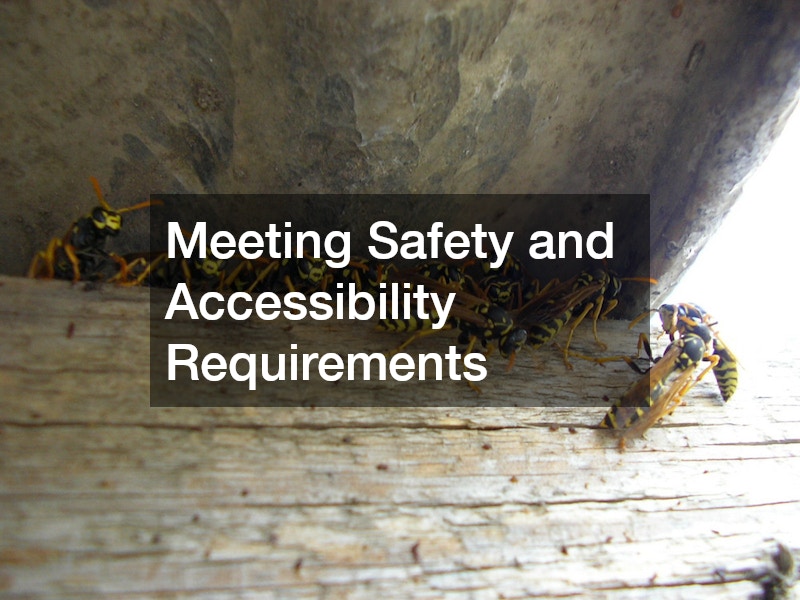
From an operational standpoint, maintaining a clean and secure environment is ongoing work. Preventative measures are just as important as reactive ones. Partnering with a rodent control service helps protect the venue from health risks and property damage that can disrupt events or harm reputation.
Developing Vendor and Service Partnerships
Strong vendor relationships are essential to delivering seamless events at a wedding venue. Florists, caterers, photographers, entertainers, and planners all play a role in shaping the guest experience. When these professionals are familiar with the space, events tend to run more smoothly and require fewer adjustments. Building trusted partnerships helps create consistency and reduces friction during busy event days.
A venue that collaborates well with vendors also becomes more attractive to couples. Preferred vendor lists can simplify planning while still allowing flexibility for personal choices. Clear communication, defined access points, and shared expectations make it easier for vendors to work efficiently within the space. Over time, these relationships can lead to referrals and repeat business that strengthen the venue’s reputation.
Transportation services are another important partnership to consider. Coordinating with a limo service helps manage guest arrivals, wedding party logistics, and departures smoothly, especially for venues located outside urban centers. Reliable transportation reduces parking strain and improves punctuality for key moments.
Preparing for Ongoing Maintenance and Upkeep
Ongoing maintenance plays a key role in preserving both the appearance and functionality of a wedding venue. High-traffic areas, essential systems, and exterior features require regular attention to prevent wear from affecting guest experience. A proactive maintenance plan helps address minor issues early, reducing disruptions during events and avoiding larger repair costs over time. Consistent upkeep also reinforces professionalism and reliability in the eyes of clients.
From a more specific standpoint, indoor comfort depends heavily on air quality and system performance. Scheduling routine air duct cleaning helps maintain proper airflow, limits dust buildup, and supports consistent temperature control.
Positioning the Venue for Long-Term Success
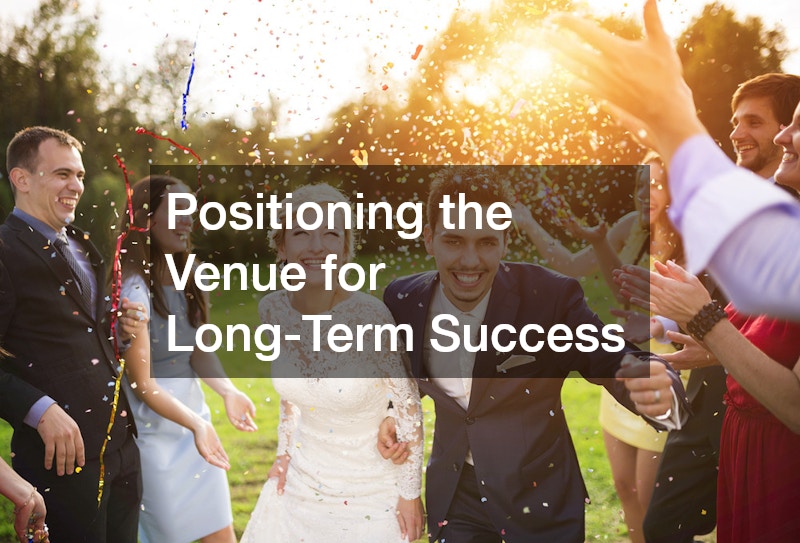
Long-term success depends on adaptability and thoughtful planning beyond the initial build. Venues that evolve with changing trends and guest expectations remain competitive and appealing. Regular updates, feedback review, and strategic improvements help keep the space relevant without major overhauls. Planning for growth early allows the venue to expand offerings smoothly.
Exterior access also shapes first impressions and functionality. Partnering with driveway contractors supports safe traffic flow, durable surfaces, and easier arrivals during large events. Well-designed driveways improve accessibility while enhancing curb appeal, reinforcing a positive guest experience from arrival to departure.
Building a wedding venue from the ground up requires careful planning at every stage. Thoughtful decisions, consistent upkeep, and a long-term mindset help create a space that functions smoothly and remains appealing over time. When vision and practicality align, the result is a venue built to last.