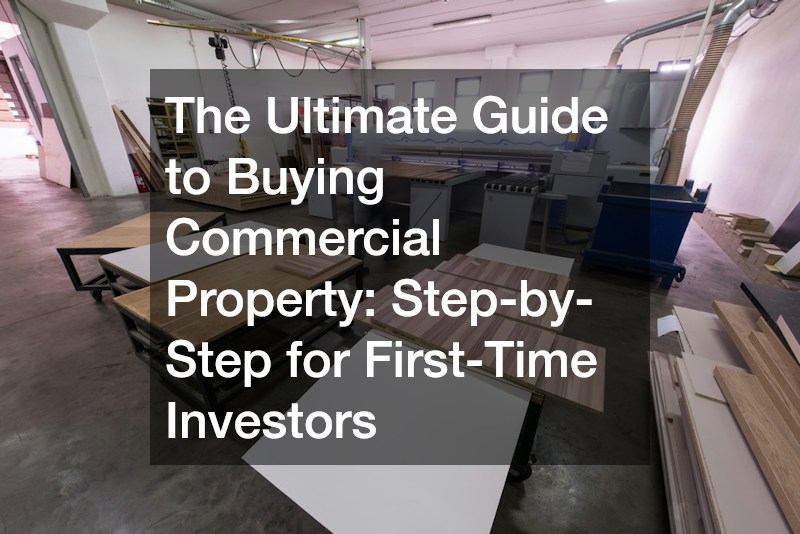
Transitioning from residential real estate to commercial property investment represents one of the most powerful moves an investor can make to build long-term wealth. Commercial real estate offers compelling advantages, including higher income yields, longer lease durations, structured annual rent escalations, and favorable triple-net (NNN) lease structures where tenants cover property taxes, insurance, and maintenance costs. For business owners, purchasing a commercial building also stabilizes occupancy costs, builds valuable equity, and provides significant tax depreciation benefits.
However, entering the commercial property market requires a distinct shift in mindset and technical expertise. Unlike residential deals that center on comparable home sales and emotional appeal, commercial transactions revolve entirely on property cash flow, physical infrastructure durability, tenant creditworthiness, and rigorous risk mitigation. Navigating due diligence, financial underwriting, facility inspections, and zoning laws can feel daunting for first-time buyers.
Establishing Investment Criteria and Conducting Physical Infrastructure Audits

Define Your Commercial Asset Class and Return Metrics
Before searching for commercial listings, you must establish clear investment parameters based on your financial capacity, risk tolerance, and operational goals. Commercial real estate encompasses diverse asset classes, each possessing unique economic drivers, lease structures, and tenant profiles:
- Retail Centers: Neighborhood strip centers, standalone retail pads, and regional shopping plazas depend heavily on location visibility, foot traffic, curb appeal, and anchor tenant stability.
- Industrial & Logistics: Warehouses, flex spaces, and manufacturing facilities benefit from e-commerce demand, low interior finish costs, long-term tenant stability, and proximity to major transport corridors.
- Office Buildings: Suburban professional complexes and urban medical office buildings require active management, modern HVAC infrastructure, and adaptable floor plates to accommodate changing work models.
Evaluating potential acquisitions requires mastering key financial underwriting metrics. You should calculate the Net Operating Income (NOI) by subtracting all operating expenses from gross collected revenue. Dividing the property’s annual NOI by the total purchase price yields the Capitalization Rate (Cap Rate), which reflects the unleveraged rate of return. Furthermore, evaluate the Debt Service Coverage Ratio (DSCR) to ensure the property generates sufficient cash flow to cover annual mortgage payments with a comfortable safety cushion—lenders typically require a minimum DSCR of 1.25x.
Evaluate Electrical Capacity and Power Distribution Systems
Physical due diligence is critical when inspecting a commercial building. Electrical infrastructure is a primary concern because upgrading commercial power systems to meet modern tenant requirements involves substantial capital expenditure. Commercial facilities require robust power distribution to support heavy machinery, computer servers, commercial refrigeration, and specialized HVAC equipment.
When auditing a building’s electrical system, hire a qualified electrician to inspect the main electrical room, panelboards, and service entrance conductors. A licensed electrician can perform thermal imaging scans across main breaker panels to detect dangerous hot spots, loose connections, or overloaded circuits that indicate underlying electrical strain.
For complex commercial properties with heavy industrial machinery or multi-tenant metering needs, partnering with an experienced commercial electrician is essential. A specialized commercial electrician will verify whether the building supplies three-phase electric power, confirm total amperage capacity, assess transformer health, and ensure all electrical installations comply with the National Electrical Code (NEC) and local municipal safety requirements.
Assessing Power Reliability and Environmental Hazard Mitigation
Safeguard Tenant Operations with Auxiliary Power Systems
Power outages pose a severe operational risk to commercial tenants. A sudden electrical interruption can cause data loss for office tenants, food spoilage for grocery and restaurant operators, manufacturing downtime for industrial users, or safety hazards for healthcare facilities. Evaluating a building’s backup power readiness is an essential component of physical due diligence.
If a property includes an existing emergency power system, you must assess its mechanical condition, age, and maintenance logs:
- Capacity & Load Capabilities: Confirm whether the installed system powers only emergency egress lighting and fire alarms or if it supports full facility operations during extended power grid failures.
- Automatic Transfer Switches (ATS): Inspect the automatic transfer mechanisms that instantly shift the building’s electrical load from the municipal utility grid to auxiliary power during an outage.
- Fuel Source & On-Site Storage: Determine whether the power unit operates on natural gas, propane, or diesel fuel, verifying that diesel systems feature code-compliant, double-walled fuel storage tanks.
- Auxiliary Equipment Assessment: Evaluating the physical condition, cooling system, and exhaust ductwork of a heavy-duty commercial generator ensures that critical tenant infrastructure remains fully operational during local grid failures.
For commercial properties lacking secondary power, you should calculate the capital investment required to add backup power capacity. Engaging an electrical contractor to oversee a professional generator installation allows you to obtain accurate equipment quotes, secure municipal permits, and design dedicated concrete equipment pads outside the building envelope.
Inspect Sub-Grade Spaces for Moisture and Microbial Contamination
Environmental due diligence extends beyond external soil and groundwater testing to include internal air quality and moisture management. Sub-grade basements, concrete foundations, and mechanical vaults are prone to water intrusion caused by poor perimeter drainage, cracked foundation walls, or failing sump pumps. Uncontrolled interior moisture creates an ideal breeding ground for harmful fungal colonies.
The presence of toxic mold inside a commercial property creates significant health liabilities, degrades indoor air quality, and leads to costly tenant lease disputes. During physical inspections, look for telltale signs of moisture damage, such as efflorescence on masonry walls, musty odors, peeling paint, or rusted structural steel columns.
If moisture testing or air sampling reveals active fungal growth, you must obtain remediation estimates before waiving inspection contingencies. Hiring established commercial mold remediation companies ensures that structural drying, HEPA air scrubbing, containment barrier setup, and antimicrobial treatments are executed in full compliance with EPA and OSHA guidelines. Resolving environmental hazards prior to closing protects your capital and prevents costly liability after taking ownership.
Evaluating Building Envelope Integrity and Structural Restoration
Audit Overhead Structural Systems and Low-Slope Membranes
A building’s roof serves as its primary defense against weather elements. Roof leaks cause severe structural damage, ruin interior tenant improvements, interrupt business operations, and trigger tenant rent abatement claims. Because replacing a commercial roof is one of the single largest capital expenditures an owner will face, assessing the remaining useful life of the overhead membrane is paramount.
Commercial structures commonly feature low-slope or flat roof designs utilizing single-ply membranes (such as TPO, EPDM, or PVC), built-up asphalt systems, or standing seam metal panels. Evaluating these systems requires specialized diagnostic tools beyond a simple visual walkthrough:
- Infrared Moisture Surveys: Thermal imaging cameras detect trapped moisture beneath the surface membrane, identifying wet insulation zones that require targeted deck replacement.
- Core Sampling Verification: Taking core samples reveals the underlying roof deck material, insulation thickness, number of existing roof layers, and internal vapor barrier integrity.
- Drainage Infrastructure Check: Inspect internal roof drains, scuppers, gutters, and overflow points to ensure proper water shedding and prevent catastrophic ponding water loads.
- Professional Structural Assessment: Hiring a factory-certified commercial roofer provides a detailed evaluation of membrane seam integrity, perimeter flashing details, expansion joints, and rooftop HVAC curbs.
Obtaining an official inspection report from a reputable commercial roofer gives you the technical leverage needed to negotiate purchase price credits or seller-funded roof repairs prior to closing or any other commercial roofing needs.
Estimate Capital Expenses for Complete Building Renewal
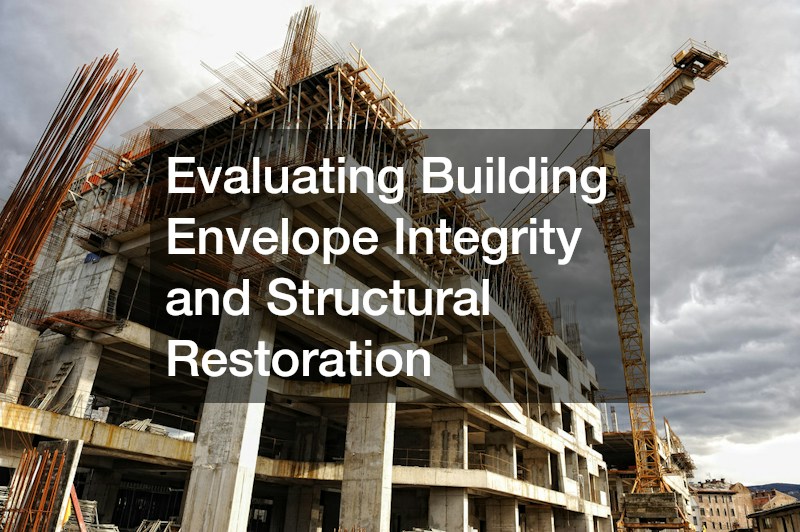
Older commercial buildings often exhibit physical wear across their structural frames, exterior facades, and load-bearing walls. Spalling concrete, deteriorated masonry tuckpointing, rusted structural steel lintels, and failing exterior insulation finishing systems (EIFS) detract from property curb appeal and compromise structural integrity.
When acquiring a distressed or historic commercial asset, you must distinguish between routine cosmetic touch-ups and extensive structural overhauls. Obtaining competitive bids for comprehensive commercial building restoration services helps you establish an accurate capital expenditure budget. Factoring structural restoration costs into your initial loan package ensures you maintain adequate liquidity to modernize the property’s exterior, improve energy efficiency, and attract high-caliber commercial tenants.
Managing On-Site Waste Logistics and Site Exterior Planning
Audit Solid Waste Management and Refuse Infrastructure
A frequently overlooked aspect of commercial property due diligence is on-site waste management infrastructure. Every commercial tenant generates solid waste and recyclable materials that must be safely collected, contained, and removed on a strict schedule. Inadequate waste capacity leads to unsightly overflow, pest infestations, unpleasant odors, and municipal code violation fines.
Evaluate the property’s physical waste handling setup during your initial site visits:
- Enclosure Placement & Turning Radius: Ensure waste enclosures are situated in accessible locations with adequate turning clearance for heavy commercial haulers and front-loading waste trucks.
- Concrete Pad Integrity: Inspect the reinforced concrete apron in front of the waste enclosure; heavy front-loading garbage trucks will crack standard asphalt paving that lacks thick concrete reinforcement.
- Zoning & Screening Compliance: Verify that waste collection areas feature code-compliant masonry walls, sturdy access gates, and sight-proof screening as required by local municipal planning codes.
- Sizing Collection Containers: Installing a properly sized commercial trash dumpster ensures the property handles high tenant refuse volumes cleanly, maintaining pristine site aesthetics.
Properly structuring tenant leases is equally important. In multi-tenant retail and office properties, common area maintenance (CAM) provisions should clearly outline how waste collection costs, dumpster rental fees, and enclosure cleaning expenses are distributed proportionally among tenants.
Maximize Exterior Curb Appeal and Site Safety
The exterior grounds of a commercial property dictate its visual appeal and set the tone for visitor experience. Well-maintained landscaping, clean parking surfaces, clear directional signage, and bright exterior lighting attract quality retail customers and high-value corporate tenants while lowering liability risks.
Incorporate these site exterior elements into your overall management plan:
- Parking Lot & Pavement Maintenance: Audit asphalt paving for deep cracks, potholes, or drainage pooling. Plan for periodic sealcoating, line striping, and ADA-compliant handicap parking upgrades.
- Exterior Security Lighting: Inspect wall-pack lights, pole-mounted parking lot fixtures, and pathway illumination to eliminate dark zones and enhance night safety for tenant employees.
- Professional Exterior Grounds Care: Contracting with reliable commercial landscape services keeps lawn areas manicured, shrubs trimmed away from building walls, irrigation systems winterized, and seasonal flowers planted.
Closing the Deal, Structuring Leases, and Tenant Onboarding
Finalize Commercial Financing and Closing Contingencies
Once physical and environmental due diligence is complete, your focus shifts to securing commercial financing and executing closing protocols. Commercial real estate loans differ significantly from residential mortgages. Lenders focus heavily on property NOI, tenant credit ratings, lease expiration schedules, and overall market stability.
Expect commercial lenders to require the following documentation during underwriting:
- Historical Financial Statements: Trailing 12-month (T-12) profit and loss statements and three years of historical property tax returns.
- Certified Rent Roll & Leases: Complete copies of all active tenant lease agreements, including amendments, renewal options, and rent payment histories.
- Tenant Estoppel Certificates: Legally binding documents signed by existing tenants confirming lease terms, current rental rates, security deposit amounts, and verifying that the seller is not in default.
Work closely with your commercial real estate attorney to review title commitments, verify municipal zoning compliance, confirm property boundary surveys, and structure the purchase and sale agreement (PSA) with clear financing and inspection contingencies.
Implement Professional Asset and Property Management
Taking ownership of a commercial property marks the beginning of your asset management strategy. Smooth tenant onboarding is vital for maintaining steady cash flow and establishing positive landlord-tenant relationships. Send formal ownership transition notices to all tenants, detailing where monthly rent payments should be submitted and providing emergency contact numbers for maintenance requests.
Develop a comprehensive property management operating budget that incorporates recurring operational expenses, preventative maintenance contracts, property management fees, insurance premiums, and capital reserve contributions. Consistently monitoring building performance, enforcing lease covenants, managing CAM reconciliations, and executing proactive physical maintenance guarantees that your commercial investment preserves its market value and delivers reliable financial returns for decades to come.
Essential Commercial Property Acquisition Checklist
To keep your first commercial property acquisition structured and on track, follow this essential phase-by-phase due diligence checklist:
Phase 1: Financial & Legal Underwriting
- Analyze trailing 12-month (T-12) income and expense statements.
- Calculate Cap Rate, Net Operating Income (NOI), and Debt Service Coverage Ratio (DSCR).
- Audit current rent rolls and verify signed tenant estoppel certificates.
- Review municipal zoning compliance, permitted uses, and property boundary surveys.
Phase 2: Physical & Infrastructure Inspections
- Hire a commercial electrician to inspect main electrical panels, transformers, and amperage capacity.
- Evaluate auxiliary power infrastructure or obtain bids for generator installation.
- Inspect the building envelope, roofing membranes, flashings, and drainage channels with a commercial roofer.
- Examine foundation walls, sub-grade basements, and HVAC ductwork for moisture or mold contamination.
Phase 3: Site Logistics & Environmental Vetting
- Complete a Phase I Environmental Site Assessment (ESA) to rule out ground contamination.
- Inspect parking lot paving, ADA accessibility compliance, and exterior security lighting.
- Audit waste management enclosures, vehicle access turning radii, and dumpster arrangements.
- Review contract scope for commercial landscape services and routine property grounds care.
Purchasing your first commercial property is an extraordinary milestone that opens the door to financial independence, substantial cash flow, and long-term equity growth. While commercial real estate transactions involve greater technical complexity than residential deals, following a disciplined, step-by-step acquisition strategy reduces risk and positions you for success. By meticulously evaluating property financials, conducting exhaustive physical infrastructure audits, mitigating environmental risks, and establishing professional facility management protocols, you can navigate the commercial purchasing process with absolute clarity.